
Northern Circuit Birding Tour | 11 Days
The best time for birding in Tanzania is when a majority of species are in breeding plumage. Since breeding is timed with the rains, which bring out insects that many birds rely on to raise young, the best times to see birds in breeding plumage is November-December and late March-May. The added bonus of visiting Tanzania during winter months is that northern migrants wintering in Tanzania are present as well. The amount of rainfall during the rainy seasons varies between locales and between years. All of East Africa was stricken by severe drought conditions during 2011, when the amount of rain was substantially below normal. Birding in rainy season can be very rewarding. The rains tend to come in afternoon squalls and rain-out days are unusual. Some areas become impassable due to muddy conditions, but most birding sites remain accessible. That’s why many birding tours to Tanzania are scheduled for October-December and March-May. Game viewing is still good and the birding is wonderful during those times.
Destinations: Arusha, Serengeti, Ngorongoro, Tarangire,Lake Manyara, Main Focus: Birdwatching, Tanzania endemic birds, Big Five, Migration. Tour Style: Guided birding safari, small groups {2–6 people} Ideal For: Birdwatchers, wildlife enthusiasts, photographers Best Time: October-December and March-May for migratory birds and active resident species
Price: $3,620
Duration: 11 Days, 10 Nights / Seasonal Availability: All Season
Download Brochure
Tour Includes :
We are in the office from Monday - Saturday, And closed on Sunday . Upgrades Available on What's App - Call us at +255682834431 or +255784772775
HOTEL
CAMP
FOOD
MANAGER
ENTRY
Places You'll See
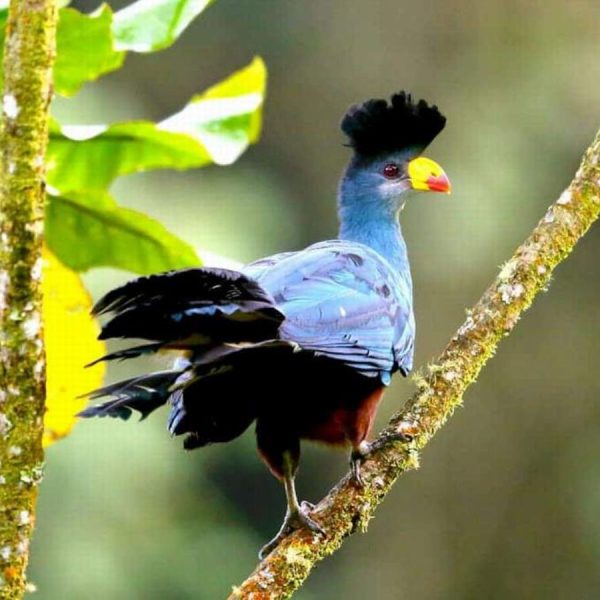
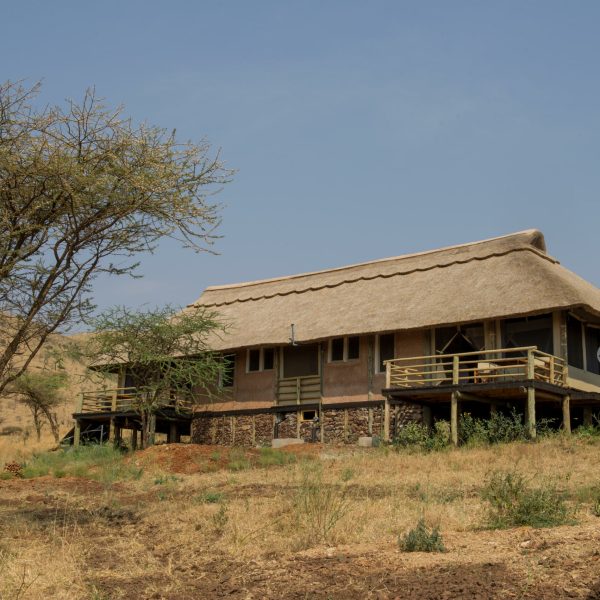

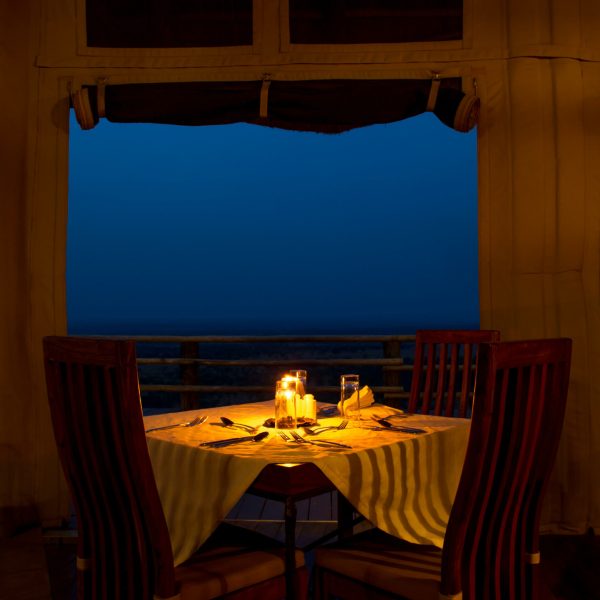
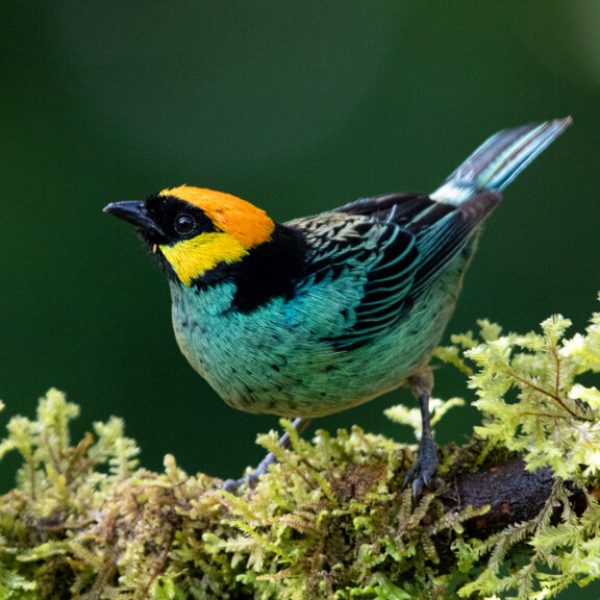
ULTIMATE TRAVEL EXPERIENCE
A journey designed for adventure and unforgettable memories.
Day 1 | Arrive in Arusha
Upon arrival in the northern city of Arusha, your driver will be waiting at the airport to transfer you to your hotel. After unpacking and unwinding, take some time to head out and admire the views. Not only does this city sit at the foot of the 14,980-foot (4,566-m) Meru Volcano, but at certain places, you can also spot the snow-capped table of Kilimanjaro. Coffee lovers will want to hit a café and samplethis country's famous robusta and arabica roasts. After all, Tanzania is the third-largest coffee producer in Africa, and this bean is its largest export crop.
Recommended Lodging : Mount Meru Game Lodge | Meals : Dinner
Day 2 | Birding- Arusha National Park
Arusha National Park is the smallest national park in Tanzania but offers varied landscape, mammal viewing, and birding. The most prominent feature is Mt Meru, rising to 4566 m (14,980 ft) above the Serengeti Ndogo savanna. The varied landscape includes forested mountain slopes, two ancient craters filled with swamps and lush savanna, and open savanna. The park is especially noted for the large concentration of Masai Giraffes, which are unusually tame. There are also numerous other savanna mammals, though lions and other big cats are absent. The photogenic Blue Monkey is common in the evergreen forests on the lower slopes of Ngurdoto Crater. The Guereza Black-and-white Colobus Monkey can be found in the tree-tops. Some 300 species of birds have been recorded in the park. Verreaux's Eagles and Bearded Vultures typically nest on the Red Crescent cliffs, among the world's highest. Lesser Flamingos abound in the alkaline Momella Lakes. The near endemic and very localized Taveta Golden-Weaver nests in emergent vegetation along the shores of nearby fresh-water Lake Longil. The rare and poorly described Nairobi Pipit, a subspecies of Long-billed Pipit can be found along the road not far inside the park entrance. Driving up the jeep track toward the climber's hut on Mt. Meru offers a nice altitudinal transect. Around 2000m the habitat changes and one can find higher elevation species such as Red-fronted Parrot, Hartlaub's Turaco, and Abyssinian Crimsonwing.
Recommended Lodging : Mount Meru Game Lodge | Meals : Breakfast, Lunch, Dinner
Days 3,4 | Birding- Tarangire National Park
After an early breakfast at Mount Meru Game Lodge you will depart to Tarangire National Park is a less visited park but offers superb birding and wildlife viewing opportunities throughout the year. The landscapeis primarily open savanna dotted with Acacia woodland andlarge Baobab trees. The park is a dry season refuge when large numbers of migratory wildlife such as elephants, zebras, gazelles, wildebeest, eland, oryx, and buffalo concentrate around permanent water. Elephants congregate in herds of up to 600 animals, and the large numbers of game animals attract numerous lions. During November through February the plains turn green, and numerous wildebeest and zebra are dropping young. Over 550 species of birds have been recorded in the park, some of which are best seen there. Noteworthy among those are the African endemic Yellow-collared Lovebird, Red-throated Tit, Northern Pied-Babbler, and Ashy Starling.
Recommended Lodging :Tarangire Kati Kati Camp | Meals : Breakfast, Lunch, Dinner
Day 5 | Birding- Lake Manyara National Park
Lake Manyara National Park offers varied habitat, but two-thirds of the park is covered by the alkaline Lake Manyara when water levels are high. During dry season the lake is virtually non-existent. The remainder is mostly in a narrow strip of land between the Manyara Escarpment to the west and the lake. The lake attracts large numbers of Lesser Flamingos, one of its major attractions. The alkaline shores of the lake are a good place to look for the widely distributed but quite erratic Greater Paint-Snipe. Another bird of special interest is the so- called Usambiro Barbet, currently considered a subspecies of D'Arnaud's Barbet but a possible future split. The park is notably excellent for birding with over 400 species recorded. It's frequently possible to see over 100 species in a single day. The park is famed for its tree-climbing Lions, though it's not the only place where lions climb trees. A variety of other mammals are also present, including large numbers of Elephant as well as Giraffe, gazelles, hippos, Sykes's Monkey, and Kirk's Dik-dik.
Recommended Lodging : Tloma Lodge | Meals : Breakfast, Lunch, Dinner
Days 6, 7, 8 | Birding & Big Cats- Serengeti National Park
Serengeti National Park protects a large region of about 5700 SqMi in northern Tanzania bordering Kenya. Much of the park is open savanna and is famed for the large concentrations of wildlife, including migratory Wildebeest and a variety of predators. Human habitation is not allowed in the park, and the main settlement is Seronera where the park headquarters is located and where park staffreside. The park is usually divided into 3 regions, the expansive nearly treeless plains of the south, the western corridor which is mostly swampy savanna, and the northern landscape which is mostly open woodland and hills. The western region is in the Grumeti Game Reserve, which is adjacent to the Serengeti National Park and is really an extension of it. The Ndutu area is actually within the Ngorongoro Conservation Area, but it's outside the crater itself and is an extension of the southern Serengeti plains. The rocky landscape of the north essentially begins around Seronera. The park is considered by many to be the greatest wildlife spectacle in the world, with the Wildebeest migration being perhaps the best known of the park's many attractions. The Wildebeest move almost constantly in search of new grass, with most of the population migrating into the northern Serengeti and Kenya from July-September. Predators such as Lions follow the movements of the Wildebeest. The Wildebeest and Plains Zebra populations congregate in the Serengeti during the rainy seasons from November, when the short rains occur, through May, when the long rains end. Calving season is January-February, and this is a period of intense territorial and mating behavior of many of the game species. It's also a period of intense hunting behavior by the predator populations. Over 500 species of birds have been recorded in the park, including a number of specialty species. Nearly 100 species found in the Serengeti have restricted ranges in the country, and of these 11 are endemic or near- endemic. Some 50 species are restricted to the western Grumeti area, which is less visited because it's more remote than other parts of the Serengeti.
Recommended Lodging : Kon Tik Tented Camp or Kati Kati Tented Camp | Meals : Breakfast, Lunch, Dinner
DAY 10 | Birding- Ngorongoro Crater
The Ngorongoro Conservation Area covers some 8500 SqKm adjacent to the Serengeti Plains. It's main feature is theNgorongoro Crater, the largest unbroken volcanic caldera in the world. The caldera is surrounded by steep walls rising 610 m above the caldera floor. It's a must-visit place on any tour to Tanzania. The grasslands within the caldera are the permanent home to 20-25,000 large mammals. The predominant grazing species are Wildebeest, Coke's Hartebeest, Cape Buffalo, Plains Zebra, Thomson's Gazelle, Grant's Gazelle, and Eland. A sizeable population of Lions is also present. Swamps and forests within the crater are home to Hippopotamus, Elephant, Black Rhinoceros, Waterbuck, Bushbuck, Baboon, Vervet Monkeys, and the rare Bohor Reedbuck. The steep slopes are home to Dikdik and therare Mountain Reedbuck. Mammals regularly move in and out of the crater in search of water, but these are local movements and resident mammals are non-migratory. While a major attraction is the mammals, birding within the caldera and on the top of the crater rim is very good. A number of specialty birds are best seen outside the steep forested slopes of the crater. Notable species include Schalow's Turaco, Hunter's Cisticola, Rueppell's Robin-Chat, Tacazze Sunbird, and the beautiful Golden-winged Sunbird.
Recommended Lodging : Ngorongoro Farm House | Meals : Breakfast, Lunch, Dinner
Day 11 | Drive back to Airport
Depart the lodge in the Mid-Morning- or flight time and make your way to Kilimanjaro International Airport, for your onward travel.
Meals | Breakfast & Lunch
Country: Tanzania
Language: English, Swahili
Currency: #Tanzanian Shillings
Land area: 885,800 square kilometers (342,000 square miles)
Water area: 61,500 square kilometers (23,700 square miles),
Population: 67,529,000
Time Zone: Time zone in Tanzania (GMT+3)
Time To Travel: January To December
Booking & Payment:
1. All bookings must be made through our official website, agents, or authorized partners.
2. Full payment must be completed before the final departure date.
3. Prices may change due to availability, demand, and government travel regulations.
Cancellation & Refund Policy:
1. Cancellations 30+ days before departure may receive a partial refund amount.
2. Cancellations within 15 days of departure may not be fully refundable at all.
3. No refunds for unused services, last-minute sudden cancellations, or no-shows.
Travel Documents & Requirements:
1. A valid passport, visas, and necessary travel permits are always required.
2. Some destinations may require specific vaccinations or health clearance certificates.
3. The company is not responsible for denied entry at any travel destination.
Travel Insurance:
1. Insurance is highly recommended for medical emergencies and cancellations.
2. We are not responsible for lost items, accidents, or missed flights.
Privacy & Data Policy:
1. Personal data is used only for bookings and travel arrangements.
2. Information is not shared with third parties unnecessarily.
Force Majeure:
1. We are not responsible for delays caused by disasters, strikes, or emergencies.
Agreement to Terms:
1. By booking, you confirm your acceptance of these terms and conditions.
Tour Price Includes:
Meals Included Daily
Expert-Guided Tours
Wildlife Sightseeing
Cultural Festival Access
Dedicated Tour Guide
24/7 Travel Support
French or English - Guide
Comfortable Lodging
Local Flight - On Request
Soft drinks-Mid Range Trip
Local beers & wine - Premium
Transfers Provided from Airport
Tour Price Excludes:
International Flight Tickets
Personal Shopping & Expenses
Non-Included Meals
Optional Adventure Excursions
Visa & Entry Permit Fees
Airport Transfers Not Covered
Medical & Health Expenses
Check-In & Check-Out Fees
Comprehensive Travel Insurance
Hot air balloon safari: $600 per person
Group Tour USD 10 Per Day Per Person
Private safari tour: USD 25-40 Per Day Per Person
Book A trip
Our Journey in Numbers
Explore Other Itineraries

- Starts from - $ 3,515.00
- 7 Days
- All New Year (Jan - Dec )
- Starts from - $ 2,290.00
- 6 Days
- All New Year (Jan - Dec )
- Starts from - $ 2,360.00
- 7 Days
- All New Year (Jan - Dec )
Important Notes :
Carry at least 2 recent passport-size photos for verification and documentation.
Valid ID proof (Aadhar, Passport, Driving License) is mandatory for booking and travel.
Keep the same original ID proof throughout the tour for security checks and hotel stays.
Foreign nationals must have a valid passport with a valid travel visa for entry.
Special Information :
Professional and experienced Tour Manager available from start to end of the trip.
Delicious and fresh daily meals included from Day 1 until departure.
No complimentary meals provided on flights or during transit stops.
Follow updated state travel policies carefully for a hassle-free journey.
Transportation Details :
Comfortable and spacious A/C Coaches for long trips and intercity travel.
Spacious and reliable Non-A/C Jeeps for sightseeing (7 pax per vehicle).
Scenic and peaceful Shikara boat rides for small groups (2-4 pax per ride).
Reliable and safe Non-A/C Sumo/Qualis vehicles for off-road excursions.
Arrival & Departure Guidelines :
Day 1: Report at the designated airport on time as per schedule.
Final Day: Depart after successfully completing the full itinerary.

Celebrated Worldwide for Excellence in Travel.
Onen Travel is tour Company based in Tanzania , We are irrevocably committed to “telling it as it is” and delivering what we promise.
We understand that traveling to a new and different destination may seem complicated and daunting and we make it easy. Let us take you to places of unimaginable beauty and let you experience a vacation that you will treasure for a lifetime.