
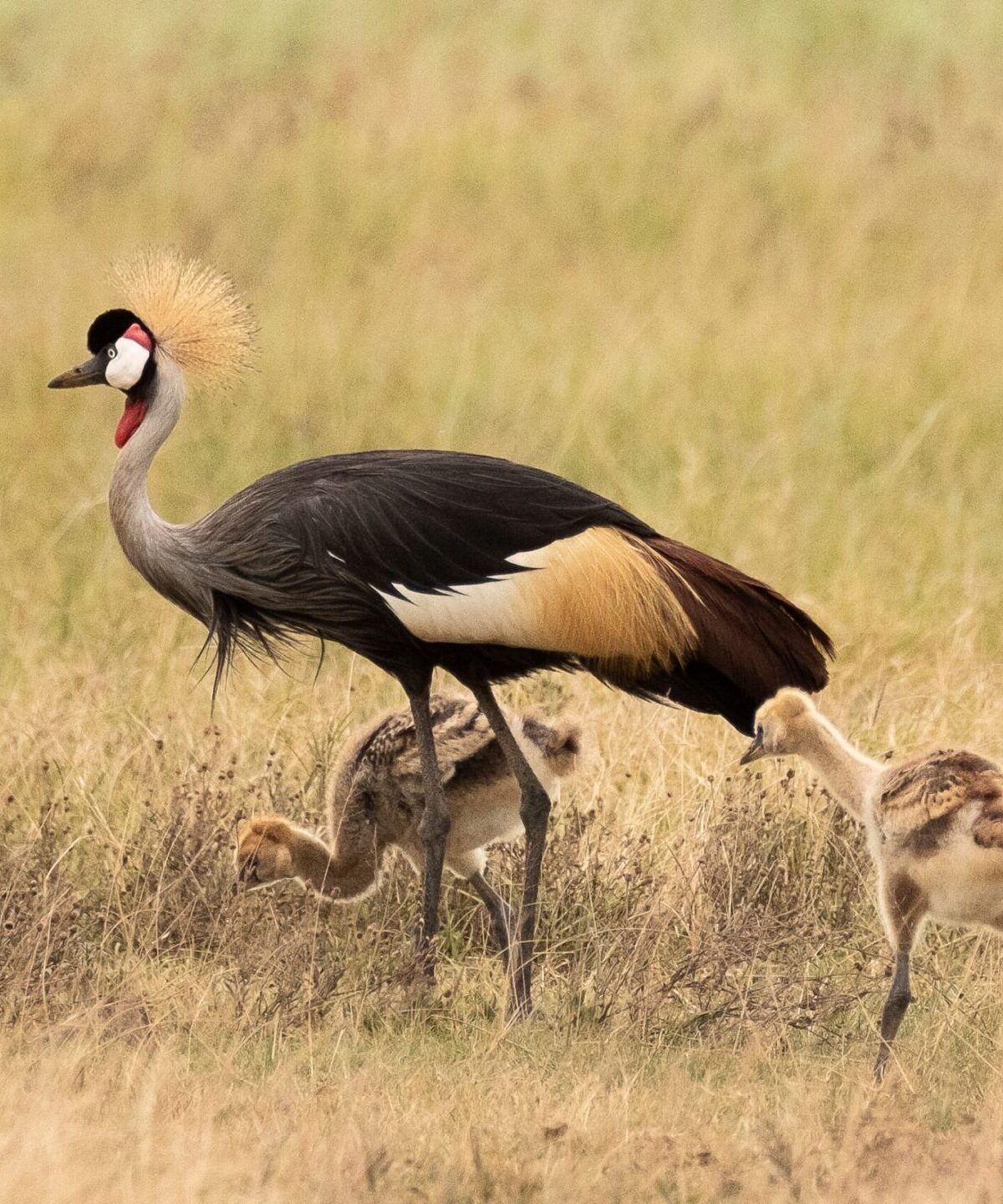
Tanzania is a paradise for birders. The reason is simple – Tanzania is home to one of
the world’s most diverse range of endemic bird species. This is what makes Tanzania
an ultimate destination for novice and experienced bird lovers alike.
Seasonal migration patterns create opportunities to see different species at various
times of the year. If you plan your trip around these migration times, you’ll make the
most out of your birdwatching experience.
From the savannahs of the Serengeti to the wetlands of the Ngorongoro Crater,
Tanzania’s diverse ecosystems make it an international birdwatching destination. The
more diverse habitat types that you can explore, the better your chances of seeing
the greatest number of bird species.
Tanzania’s secret spots, such as the Usambara Mountains and the less-frequented
areas of Lake Victoria. These regions provide a wealth of birding opportunities well
beyond the busy tourist centers!
Connect with local guides to enhance your appreciation of the area’s avian treasures
and honor local communities. Their knowledge and experience will not only guide you
to the finest birdwatching areas, but broaden your understanding of the scenic
surroundings.
Join us at local bird festivals along the way! Contribute to conservation programs to
help return the favor to the communities and environments that have made Tanzania
a birdwatching paradise.
Major spots such as Lake Manyara and Ngorongoro Crater are teeming with dazzling
bird life. This diversity is what makes Tanzania the world’s premier birding
destination for both first-timers and seasoned birders! Connecting with local guides
makes all the difference, offering a unique perspective into the behaviors and
habitats of these avian wonders.
Why Tanzania is a Birdwatching Paradise
Tanzania enchants anyone with an ornithological twitch or fancy, with a dazzling
variety of avian life. Its diverse habitats make this incredible experience even more
special. The country is home to more than 1,100 documented bird species.
These include many endemic and migratory species, making Tanzania a melting pot
of birding opportunities for beginners and advanced birders alike.
Unique Bird Species in Tanzania
These include the likes of the lilac-breasted roller and the African fish eagle. You’ll be
able to see spectacular flamingos at Lake Natron too! With rare birds like the shoebill
and many endemics, including the Udzungwa forest partridge, Tanzania is a birder’s
paradise.
With the opportunity to witness these extraordinary creatures in their native
environments, Tanzania is a popular destination for avian enthusiasts.
Seasonal Migration Patterns
From November to April, Tanzania turns into an essential waystation for migratory
birds en route from Europe and Asia. These months offer outstanding chances to see
a wide plethora of species in vibrant breeding plumage.
With the arrival of migratory species, birdwatching is at its best. This time is
especially fruitful for bird enthusiasts.
Diverse Ecosystems Supporting Birdlife
The country is rich in ecosystems, including the Serengeti, Ngorongoro Crater, and
Lake Manyara. These stunning landscapes produce varied ecosystems that harbor a
rich variety of birdlife.
From savannas and forests to wetlands, each ecosystem plays a role in supporting
Tanzania’s rich avifauna. Areas such as the Selous Game Reserve — home to more
than 440 bird species — are especially remarkable for avian enthusiasts.
Top Birdwatching Destinations in Tanzania
With an incredible diversity of avian habitats, Tanzania is one of the best countries
for birdwatching in the world. The rich ecosystems found here are home to more than
1,000 documented bird species, providing plenty of excitement for experienced
birdwatchers and amateurs just starting out.
Here are our top birdwatching destinations to discover.
- 1. Serengeti National Park Highlights
- 2. Arusha National Park Overview
- 3. Birdwatching Around Mount Kilimanjaro
- 4. Discovering Lake Victoria’s Avifauna
- 5. Usambara Mountains Birding Experience
The Serengeti National Park features large acacia-studded plains that offer excellent
opportunities to see a diverse array of birds. Species like sandgrouse, bustards, and
larks flourish in this habitat.
The park’s diverse ecosystems, especially in the dry season (June to August), make it
a great birdwatching experience. Just next door, Ngorongoro Crater, another UNESCO
World Heritage Site, is home to more than 500 bird species, including some of the
world’s rarest and most endangered breeds.
Arusha National Park, home to Mount Meru, features a stunning variety of
ecosystems, from lush forests to striking alpine areas. The diverse habitats make it
one of the best places to visit in Tanzania for birdwatching, where you can spot
species from forest, savanna and wetland.
This is the most notable park in Tanzania for its superb accessibility. Birdwatchers
appreciate it for offering them a chance to have a focused but fulfilling experience.
The area around Mount Kilimanjaro hosts a variety of microclimates that draw in over
200 species of birds. The diverse range of habitats, from rainforest to montane
ecosystems, makes it possible to see many species you can’t find anywhere else.
This region is especially colorful during the long and short wet seasons, when a
number of migratory birds return.
Rubondo Island in Lake Victoria is a paradise for birdwatchers. An African fish eagle
and pied kingfisher adorn the shores. Intact wetland habitat complexes are key for
waterfowl and other migratory birds.
With its varied landscapes teeming with life, the island is truly a must-visit on any
birdwatching route.
The Usambara Mountains, in northeastern Tanzania, are known for their distinct
avifauna, including many endemic species. The peaceful montane forests provide a
stunning backdrop for birdwatchers, with local guides providing a deeper
understanding to the landscape and its avian residents.
The region’s biodiversity is a microcosm of Tanzania’s diverse climatic conditions.
Planning Your Birdwatching Trip
When planning a northern Tanzania birding tour, it’s helpful to know the best times to
visit. It entails collecting the appropriate equipment and becoming immersed in local
culture and art forms. This colorful destination, with its many birding sites, is home to
1,100 to 1,300 bird species, promising a thrilling adventure for both first-timers and
experienced birdwatchers alike!
Best Times to Visit for Birdwatching
Fortunately, the best time to visit Tanzania for birding coincides with the rainy season,
from November to April. At that time, migratory birds come back, making the avifauna
even more diverse. The wet season, March-May, is especially good since plentiful
food and cover promote breeding birds.
The dry season stretches from June to October. The improved accessibility to all of
the sites and fewer mosquitoes contribute to this being a great time of year to be out
enjoying the wildlife.
Essential Gear for Birdwatchers
Proper gear makes all the difference when it comes to enjoying birdwatching. A good
pair of binoculars—8x or higher magnification is best—will help you spot birds up
close and personal. Field guides that focus on East Africa will guide you to the right
species.
A notebook for recording sightings and a camera with a zoom lens for capturing
images are valuable tools for documenting experiences.
Overview of Tour Packages Available
Various tour packages cater to different interests and skill levels. Others are more
tailored to particular areas, such as the Serengeti or Lake Manyara. Some offer a
more extensive experience over multiple parks.
Packages vary from one-day excursions to multi-day adventures, including lodging
and meals.
Detailed Itineraries for Northern Tours
Northern Tanzania is famous for its birding, and the itineraries often feature the same
popular spots. For instance, one of their most popular itineraries takes travelers
through Tarangire National Park, where one can see more than 500 bird species.
You certainly don’t want to miss the Ngorongoro Crater! It’s renowned for its complex
ecosystem that hosts an astonishing number of birds (over 500 species), ranging
from flamingos to raptors.
Pricing Information and What’s Included
Pricing for birding trips can vary greatly depending on length and what’s included. In
fact, the majority of packages cover the cost of experienced local guides,
transportation, and park entrance fees.
Some even include meals and accommodations. Average prices vary between around
$150 per day on the low end to over $500 on the high end for luxury adventures.
Tour Highlights and Unique Features
Unique features of these tours often include access to remote areas or highly
specialized knowledge, but frequently, it’s the guides themselves. Most of the tours
focus on sustainable practices, protecting the habitats you visit.
In fact, many operators are offering photography enthusiasts a chance to capture
stunning images of rare birds.
Are there safety concerns for birdwatching in Tanzania?
On the whole, Tanzania is a safe country for birdwatchers, especially during northern
Tanzania birding tours. As with any place, listen to local guidance while exploring
wildlife sites, and be mindful of your environment, don’t walk in secluded areas away
from established paths.
What are the top bird species to look for in Tanzania?
Major species known to frequent the area include the African Fish Eagle, Scarlet-
chested Sunbird, and the elusive and endangered Usambara Ground Thrush. With
such diverse ecosystems, northern Tanzania birding offers a paradise for
birdwatchers, showcasing many rare and spectacular bird species.